

Running a small or medium-sized business is demanding enough without worrying about which bin a coffee cup belongs in.
With England’s Simpler Recycling rules now in force (from March 2025), every business must sort its waste correctly – but that doesn’t have to mean extra hassle.
This guide breaks down exactly what goes where, why proper sorting matters, and how to avoid common recycling mistakes. Think of it as your business’s go-to reference: clear, compliant and easy to follow.
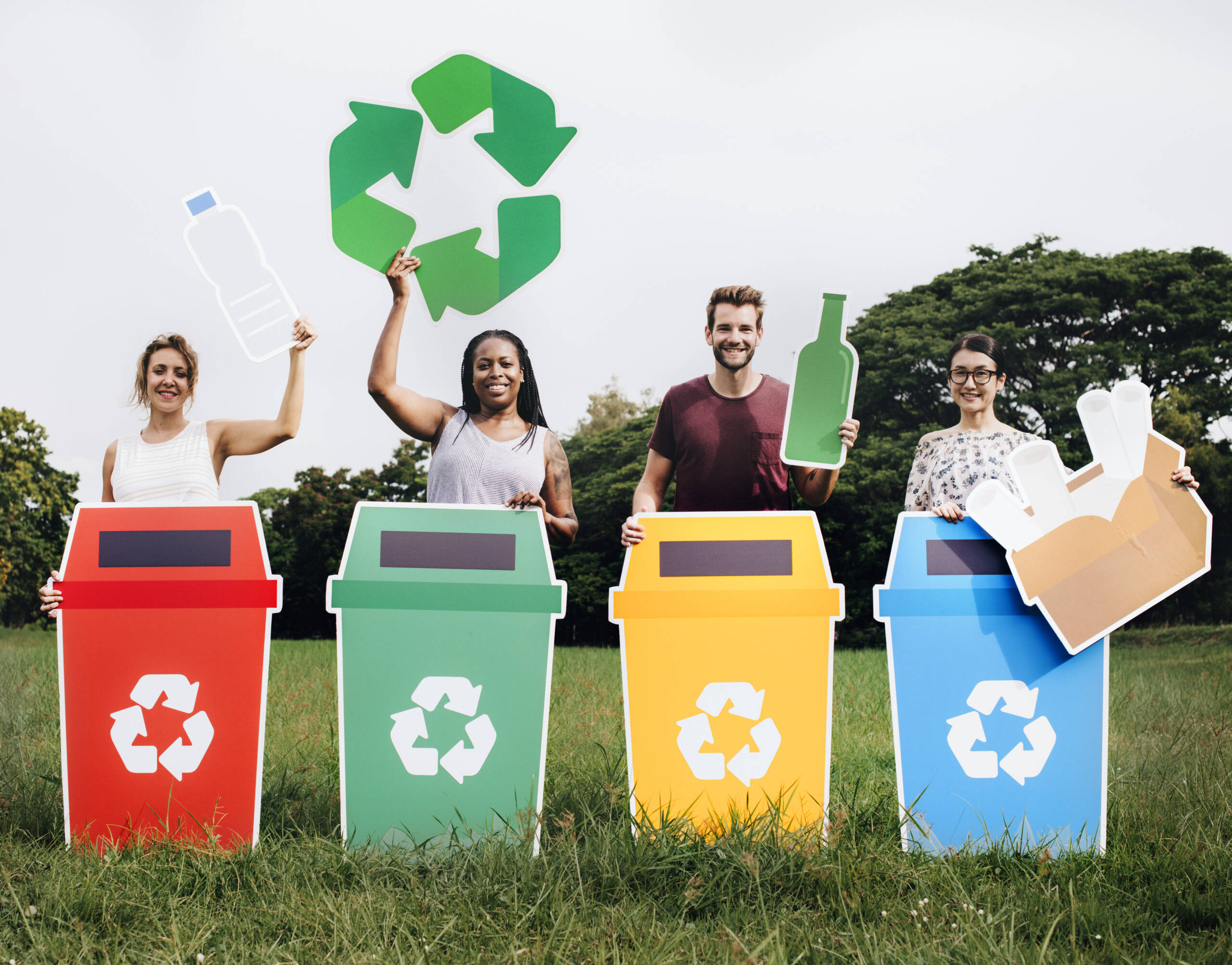
Setting up clearly labelled bins for each waste stream – mixed recycling, food waste and general waste – helps employees get it right and keeps your organisation compliant.
Why sorting your waste matters
Stay compliant and avoid fines
All businesses in England are now legally required to separate recyclables and food waste from general waste. Ignoring these rules can lead to warnings or fines from the Environment Agency. Sorting properly gives your business peace of mind and proof of compliance.
Cut unnecessary costs
Sending everything to landfill is expensive. Better separation reduces the amount of general waste you produce, which often means lower disposal fees and fewer collections. Over time, good recycling habits can translate into measurable savings.
Strengthen your sustainability credentials
Eight in ten consumers prefer to buy from environmentally responsible companies. Clear recycling processes demonstrate that your business takes sustainability seriously – which helps to attract customers, employees and partners who share those values.
Reduce your carbon footprint
Recycling conserves natural resources and energy:
- Metal recycling uses up to 95% less energy than creating new metal from raw ore.
- Glass can be recycled endlessly into new bottles and jars without losing quality.
- Paper and cardboard recycling saves trees, water and energy.
- Food waste becomes renewable energy and fertiliser through anaerobic digestion.
Proper sorting turns everyday waste into valuable resources and supports the UK’s circular economy.
What goes where: sorting your waste streams
Under the Simpler Recycling system, workplaces must separate their waste into key streams. Here’s how to handle each one correctly.
Paper and card recycling
What goes in:
Clean, dry paper and cardboard such as office paper, envelopes (without plastic padding), magazines, flyers, paper bags and cardboard boxes. Paper coffee cups can go here only if your waste provider accepts them.
Keep out:
Anything with glitter, foil, lamination or wax coatings, and food-stained packaging. If a pizza box is lightly marked, it can go in recycling; if it’s greasy or encrusted with cheese, it belongs in general waste.
Why it matters:
Paper and cardboard recycling saves around 20 trees per tonne and keeps materials in use for packaging, stationery and new boxes. Flatten boxes to save space and keep paper dry to prevent contamination.
Plastic, metal and glass recycling (mixed dry recycling)
What goes in:
Empty plastic bottles, tubs and trays (PET, PP or HDPE plastics), metal cans and tins, clean aluminium foil and trays, and glass bottles and jars (from jam to wine bottles). Rinse containers briefly to remove food residue – no need for perfection, just a quick swirl.
Keep out:
Plastic films, cling wrap, polystyrene packaging, coffee pods, electricals, batteries, cookware, window glass or ceramics. These items contaminate the stream and can damage recycling machinery.
Pro tip:
Labels can stay on, and most plastic caps or metal jar lids are recyclable. Always check your waste provider’s local guidance.
Why it matters:
High-quality mixed recycling prevents contamination and ensures materials get reprocessed efficiently into new packaging, furniture, tools and containers. Clean recycling equals less waste to landfill.
Food waste (compostables)
What goes in:
All food scraps and leftovers: fruit and vegetable peelings, coffee grounds, tea bags, out-of-date produce, plate scrapings and bakery waste. Remove all packaging first.
Keep out:
Plastics, including “compostable” or biodegradable cups and cutlery unless you have a specialist service. These items don’t break down properly in standard food waste systems.
Best practice:
Use compostable liners for food bins, empty them regularly (ideally weekly) and store them in a cool area to avoid odours or pests.
Why it matters:
Food waste collected separately is processed through anaerobic digestion, creating biogas (used to power homes and businesses) and nutrient-rich fertiliser for agriculture.
General waste
What goes in:
Non-recyclable plastics (films, wrappers, crisp packets), greasy or contaminated packaging, tissues, napkins, disposable cups (unless collected separately), polystyrene, and small items that can’t be recycled elsewhere.
Keep out:
Hazardous or specialist waste such as batteries, paint tins, vapes, fluorescent bulbs or electronics. These require specialist disposal.
E-waste note:
Old phones, laptops, cables and other electronics fall under WEEE (Waste Electrical and Electronic Equipment) regulations. Recycle these through a certified service such as SimplerWEEE to ensure compliance and safe handling.
Why it matters:
By keeping recyclables and food waste out of general waste, you cut landfill volumes and reduce disposal costs.
Common recycling mistakes to avoid
Even with good systems, businesses sometimes slip up. Here are the most frequent mistakes and how to fix them:
Wishcycling
Ever tossed something in the recycling bin thinking, “It’s probably fine”? That’s wishcycling – putting in items you hope are recyclable when they’re not. It’s one of the biggest causes of contamination. When in doubt, check your waste provider’s list or leave it out. One stray coffee cup or greasy container can spoil an entire batch of recyclables, sending it all to landfill instead. Make it a habit to double-check before you chuck.
Food contamination
A splash of curry sauce or a half-empty bottle might seem harmless, but leftover food ruins recycling. Dirty packaging attracts pests, smells and ruins good recyclables. The fix? Empty and give containers a quick rinse – it takes seconds and keeps the system clean.
Plastic bags and liners
It’s easy to line bins with plastic bags for convenience, but tying up recyclables in bin liners is a no-go. Most recycling facilities reject plastic bags because they clog sorting machines. Tip recyclables in loose or use clear bags if your collector allows them. Save plastic bags and cling film for general waste or supermarket drop-off points.
Wrong type of glass
Not all glass is created equal. Drinking glasses, mirrors, light bulbs and Pyrex have different melting points from bottles and jars, so they can’t be recycled together. Keep these out of mixed recycling to avoid ruining new glass batches.
Missing signage or unclear bins
Recycling systems fail when people aren’t sure what goes where. Simple, visual signage above bins – think icons or short examples – makes a huge difference. Clear labelling reduces mistakes, saves time, and keeps your recycling contamination-free.
Quick recap and next steps
- Set up clearly labelled bins in the right places – near desks, kitchens and shop floors.
- Confirm requirements with your waste collector to ensure compliance and optimal recycling rates.
- Monitor and train staff occasionally – small reminders go a long way.
Once everyone knows what goes where, recycling becomes second nature. Your business stays compliant, reduces waste costs and demonstrates genuine sustainability.
For e-waste collections and compliance support, visit SimplerWEEE – making electronics recycling as easy as the rest of your bins.