

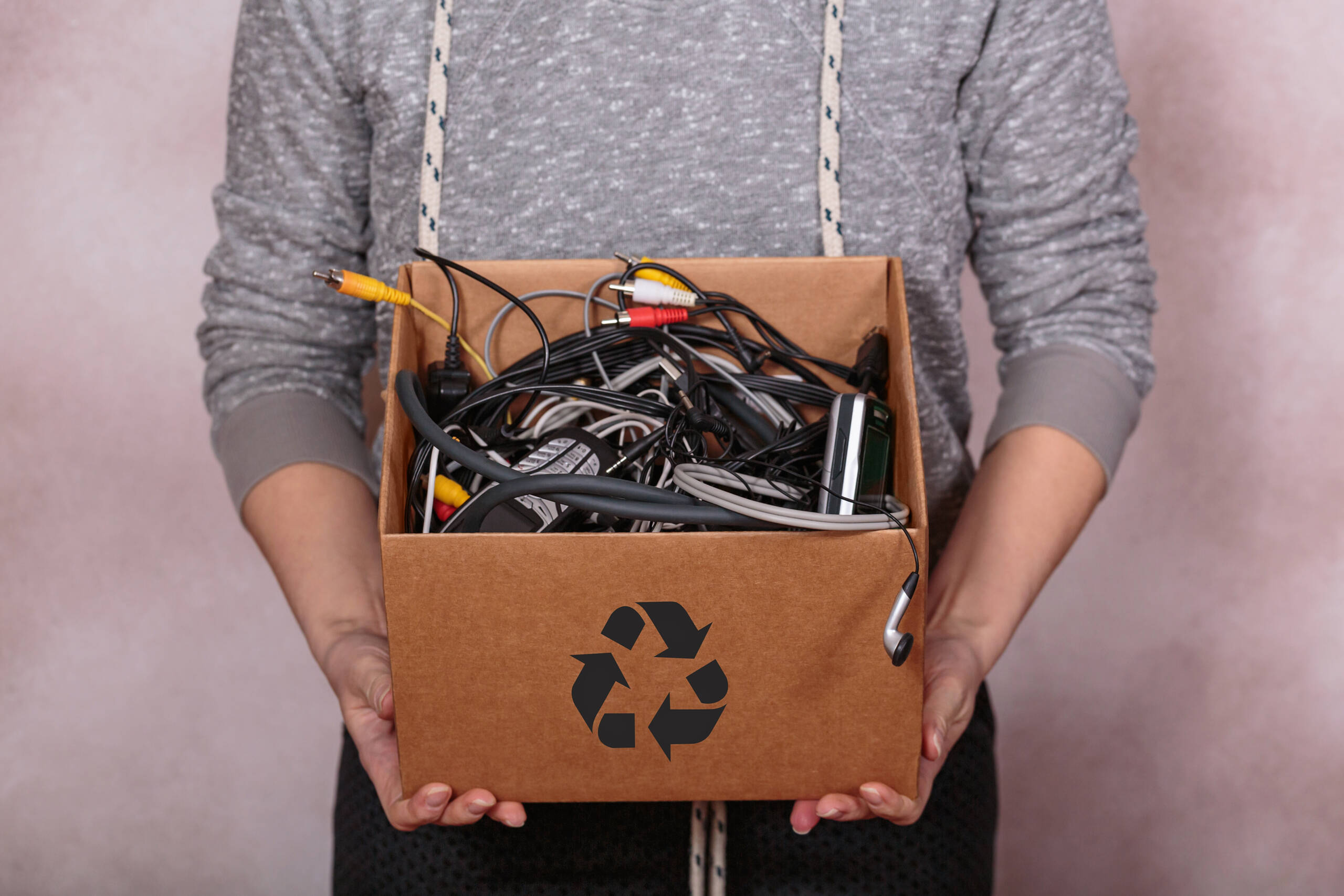
The UK’s Waste Electrical and Electronic Equipment (WEEE) Regulations, first introduced in 2007, were designed to ensure that electrical and electronic products are safely collected, recycled and disposed of. Over the past decade, these rules have helped divert millions of tonnes of electronic waste from landfill. However, the UK still generates more than 20 kg of e-waste per person each year, placing it among Europe’s highest producers.
That volume is expected to rise as digital devices become ever more integrated into daily life.
Defra (Department for Environment, Food and Rural Affairs) has therefore begun developing a new framework for 2025 and beyond — one that supports a more circular, data-driven and transparent approach to managing electronic waste.
The upcoming reforms aim to:
- Increase collection and recycling rates, especially for small electronics.
- Improve producer accountability and traceability across supply chains.
- Support repair, reuse and remanufacturing initiatives.
- Align WEEE systems with the UK’s broader Simpler Recycling and Circular Economy goals.
Key areas of reform expected after 2025
1. Extended producer responsibility (EPR) modernisation
At the heart of the reforms sits a modernised Extended Producer Responsibility (EPR) scheme. Under the current system, producers fund the collection and treatment of e-waste, but loopholes and inconsistencies have limited its effectiveness.
The updated EPR model is likely to include:
- Revised product categories that better reflect new technologies such as smart devices and Internet of Things (IoT) equipment.
- Digital Product Passports (DPPs) containing data on product materials, recyclability and repairability.
- Greater inclusion of importers and online marketplaces, making them financially responsible for the waste their sales generate.
This change means more precise tracking of what enters and exits the UK market, helping regulators identify where responsibility lies at each stage of the product lifecycle.
What SMEs should do:
- Map your supply chain to determine exactly where your producer responsibility begins and ends.
- Review your product labelling and reporting processes to ensure compliance with new digital data requirements.
- Check with your compliance scheme that your registration covers all relevant product categories.
2. Improved consumer information and accessibility
Future WEEE regulations will focus heavily on consumer visibility — ensuring that customers know how and where to recycle their old devices. This could include:
- Mandatory take-back information displayed online and in physical stores.
- Requirements for retailers to accept old products when selling replacements (known as ‘1-for-1 take-back’).
- Clearer labelling to show which components are recyclable or reusable.
The aim is to make recycling as easy as purchasing. By raising awareness, regulators hope to reduce hoarding — the estimated 140 million unused devices currently sitting in UK homes and offices.
For SMEs, these rules may require updates to customer communication, packaging, and website information. However, proactive transparency can enhance brand trust and differentiate responsible sellers from less sustainable competitors.
What SMEs can do now:
- Display recycling or take-back details clearly at checkout.
- Partner with certified e-waste collectors (such as SimplerWEEE) to simplify logistics.
- Use sustainability messaging in your marketing to turn compliance into a competitive edge.
3. Raising collection, repair and reuse targets
The UK has consistently fallen short of the EU’s 65% collection target for e-waste.
As of 2024, only about 40% of discarded electronics are formally collected for recycling. The post-2025 framework will aim to close that gap through:
- New national collection pilots, including kerbside pickups and drop-off partnerships with councils and retailers.
- Repair and reuse quotas for certain categories, such as laptops, mobile phones and small appliances.
- Simplified data submission for SMEs to make participation easier.
These changes reflect a shift from simple recycling to full resource recovery, keeping valuable materials like lithium, cobalt and gold in circulation.
What SMEs should do:
- Assess whether your products can be refurbished, resold or repaired before disposal.
- Explore incentives for customers to return old devices (trade-ins or discounts).
- Record all take-back activities to demonstrate progress against reuse targets.
4. Closing the online non-compliance gap
The rise of global e-commerce has made it easier for unregistered sellers to avoid WEEE responsibilities. The 2025 reforms will likely make online marketplaces jointly liable for ensuring compliance.
Expected measures include:
- Requiring platforms such as Amazon, eBay and AliExpress to verify that all sellers placing goods on the UK market are WEEE-registered.
- Mandating data sharing between platforms and regulators to identify non-compliant sellers.
- Applying financial penalties for repeated failures to meet take-back or reporting duties.
This move will help level the playing field for UK-based SMEs who already follow the rules, reducing unfair competition from overseas operators.
Action point:
If you sell via third-party marketplaces, check that your WEEE registration details are visible and up to date. Expect marketplaces to request documentation in 2025 and beyond.
5. Digitalisation and smarter reporting
To make compliance more efficient, Defra is expected to roll out digital reporting platforms for all WEEE submissions. These will integrate with existing government systems and potentially link to HMRC and Companies House data to automate cross-checking.
The move to Digital Product Passports (DPPs) is especially significant. These passports will store information about materials, components and recycling options for every product, accessible via QR code or serial number.
How SMEs benefit:
- Easier, faster reporting with fewer manual uploads.
- Improved traceability of components and product histories.
- The opportunity to use DPP data for marketing, proving sustainability credentials to clients and customers.
Aligning with wider UK sustainability goals
The new WEEE framework doesn’t exist in isolation. It’s part of a coordinated approach that includes:
- Simpler Recycling (2025) — aligning household and business recycling systems.
- Plastic Packaging Tax and EPR for packaging — incentivising reusable materials.
- Net Zero 2050 — the UK’s long-term commitment to reducing emissions.
Together, these policies will push UK businesses towards a circular economy, where waste is minimised, and products are designed for longevity and recyclability.
For SMEs, this shift offers a commercial advantage. Demonstrating measurable sustainability performance can improve procurement scores, attract investors, and meet the growing expectations of clients who prioritise green credentials.
Preparing your SME for post-2025 compliance
Here’s a five-step action plan to help your business stay ahead:
1. Audit your current WEEE processes
Identify what electrical products you handle, how they’re registered, and where they end up after sale. Many SMEs overpay for compliance because of inaccurate classification or unclaimed recycling credits.
2. Build a clear internal ownership structure
Assign responsibility for WEEE compliance to a specific person or department — often facilities, logistics or procurement. This ensures accountability as regulations evolve.
3. Update data and record systems
Accurate data is the backbone of compliance. Ensure your systems can track:
- Product types and quantities placed on the market.
- Take-back volumes and recycling outcomes.
- Supplier and customer locations.
4. Engage with certified partners
Work with approved compliance schemes or recyclers like SimplerWEEE for transparent collection, documentation and reporting.
5. Educate and communicate
Share upcoming regulation changes with your teams, suppliers and customers. Small briefings or email updates can prevent costly misunderstandings later.
The timeline: what to expect next
- Late 2025: Final Defra consultation and publication of updated WEEE framework.
- Early 2026: Phased rollout of EPR reforms and digital reporting.
- 2026–2028: Gradual enforcement of new take-back, reuse and repair targets.
Compliance schemes and local authorities will provide transitional support to help SMEs adapt to the changes.
Final thoughts
The upcoming WEEE reforms represent more than just regulatory updates — they signal a cultural and operational shift in how the UK manages electronic waste. For SMEs, they offer a chance to future-proof operations, cut costs and strengthen sustainability credentials.
By embracing transparency, partnering with certified collectors, and preparing for digital compliance now, small and medium businesses can turn regulatory readiness into a market advantage.