

Trying to stay compliant with Simpler Recycling but struggling to get your team to actually use the bins properly?
This guide is your step-by-step plan: simple, professional and designed for small business owners who want recycling to run smoothly, safely and confidently.
Why recycling matters
Every business in England must now follow Simpler Recycling rules.
That means separating your waste into three main streams — dry recycling, food waste, and general waste — and handling electricals, batteries and vapes separately.
This isn’t about red tape. It’s about keeping your business compliant, organised and safe, while showing customers and staff that you’re serious about doing the right thing.
Step 1: Set up your space
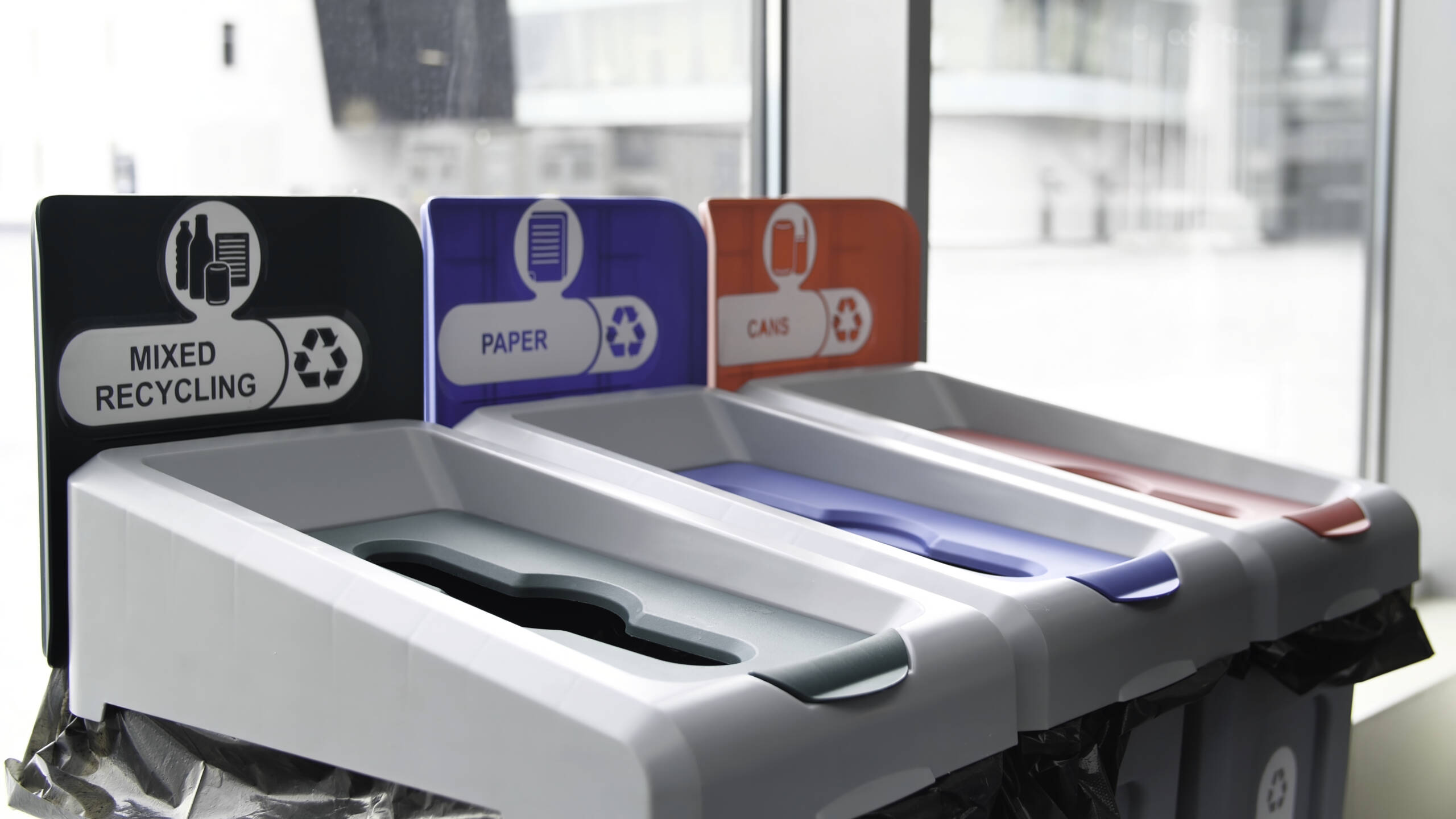
A clear setup is the foundation of a good system. When bins are in the right place and clearly labelled, people don’t need to think twice.
What you need
- Dry Recycling – Paper, card, cans, clean plastics, glass.
- Food Waste – Plate scraps, tea bags, coffee grounds. Use liners and empty regularly.
- General Waste – Non-recyclable materials only. Keep this bin smaller to discourage overuse.
- Electronic Waste (No batteries or vapes) – Old laptops, cables, chargers, small appliances. This keeps e-waste safe and traceable.
- Batteries and Vapes – These are a fire risk and must never go in other bins. Use a small, rigid metal container with a tight lid and clear label. Keep it away from heat sources.
Where to place bins
- Kitchen or break area: Food Waste, Dry Recycling, and General Waste together.
- Printers and desks: Dry Recycling and General Waste.
- IT or storage room: A WEEE bin for electrical items.
As a general rule, if waste is being created in a space, a bin should be close by. Keep everything visible, not tucked away.
Step 2: Use clear, professional labels
Good labels make the difference between confusion and compliance. Avoid cluttered wording or shouty signs — keep them calm, clear and factual.
Here’s what we recommend:
- Dry Recycling – Paper, card, cans, plastics, glass
- Food Waste – No packaging, liquids or cutlery
- General Waste – Non-recyclable waste only
- Electronic Waste (No batteries or vapes) – Cables, chargers, IT equipment, small devices
- Batteries and Vapes – Store separately in metal bin with lid
You can download free workplace recycling posters and templates from WRAP and Recycle Now.
Mount labels at eye level, use durable materials, and match colours to your collector’s system for consistency.
Step 3: Train your team — the 30-minute session
Once the bins are ready, gather your team (even if it’s just a handful of people) for a quick, practical session. It takes half an hour and saves hours later.
First 5 minutes — Explain the goal
Outline the new setup and why it matters: compliance, cost savings, safety and reputation. Make it clear that this is about working smarter, not harder.
Next 10 minutes — Demonstrate
Show a few everyday examples — a coffee cup, a sandwich wrapper, a cardboard box, an old mouse, a vape. Ask which bin it belongs in, then show the correct answer. Hands-on examples stick.
Following 10 minutes — Assign responsibilities
Appoint one or two staff as Recycling Champions. Their job is to check bins weekly, report any issues and keep signage in good condition.
Final 5 minutes — Confirm and review
Thank the team, confirm who to ask for help, and set a one-month review date. Regular feedback keeps standards up.
Step 4: Keep it safe
Recycling is about safety as much as compliance.
- Batteries and vapes: Always keep them separate, in a metal bin with a lid. Never compact or crush them.
- Electricals: Any item with a plug, cable or battery built-in belongs in the Electronic Waste bin, not general waste.
- Fire prevention: Keep all bins clear of heat sources and sunlight.
Step 5: Keep your paperwork right
Paperwork sounds dull, but it’s what protects your business if you’re ever asked to prove compliance.
- Save your waste transfer notes (digital copies are fine) for at least two years. Government templates are available here: https://www.gov.uk/dispose-business-commercial-waste/waste-transfer-notes
- File your WEEE collection certificates by date.
- Check that all your waste contractors are properly registered carriers.
Keeping good records means peace of mind — you’ll always have proof ready when needed.
Step 6: Check regularly
Even the best systems drift over time. Build a simple check-in routine to keep everything running smoothly.
Weekly checks:
- Are bins clean, labelled and in the right place?
- Are any labels worn or hard to read?
- Is there contamination (wrong waste in the wrong bin)?
Monthly checks:
- Do any areas need more or fewer bins?
- Are all your waste notes up to date?
- Is everyone still following the system confidently?
If something isn’t working, adjust quickly and explain why to your team.
Step 7: Celebrate progress
People like to know when their efforts make a difference. Share simple updates in meetings or newsletters:
- “We reduced general waste by 40% this quarter.”
- “Our first full Electronic Waste bin was collected for certified recycling.”
Recognition keeps motivation alive and helps embed recycling as part of normal working life.
Step 8: Make recycling part of your culture
Recycling works best when it’s part of how you operate — not an extra job.
Add it to new starter inductions, keep signage fresh, and update staff if rules change. When everyone understands the purpose behind it, recycling becomes second nature.
Final thought
Simpler Recycling doesn’t have to feel complicated.
With clear bins, professional labels, and one short training session, your workplace can stay compliant, safe and confident — every single day.
If you want help managing your business’s old electricals, SimplerWEEE makes it easy.
Our subscription service takes care of compliant WEEE bin hire, scheduled collections and digital evidence, all for one predictable monthly fee.
By pairing your recycling setup with SimplerWEEE, you’ll stay fully compliant, avoid hidden costs and keep your business running smoothly: safe, organised and confident every day.