

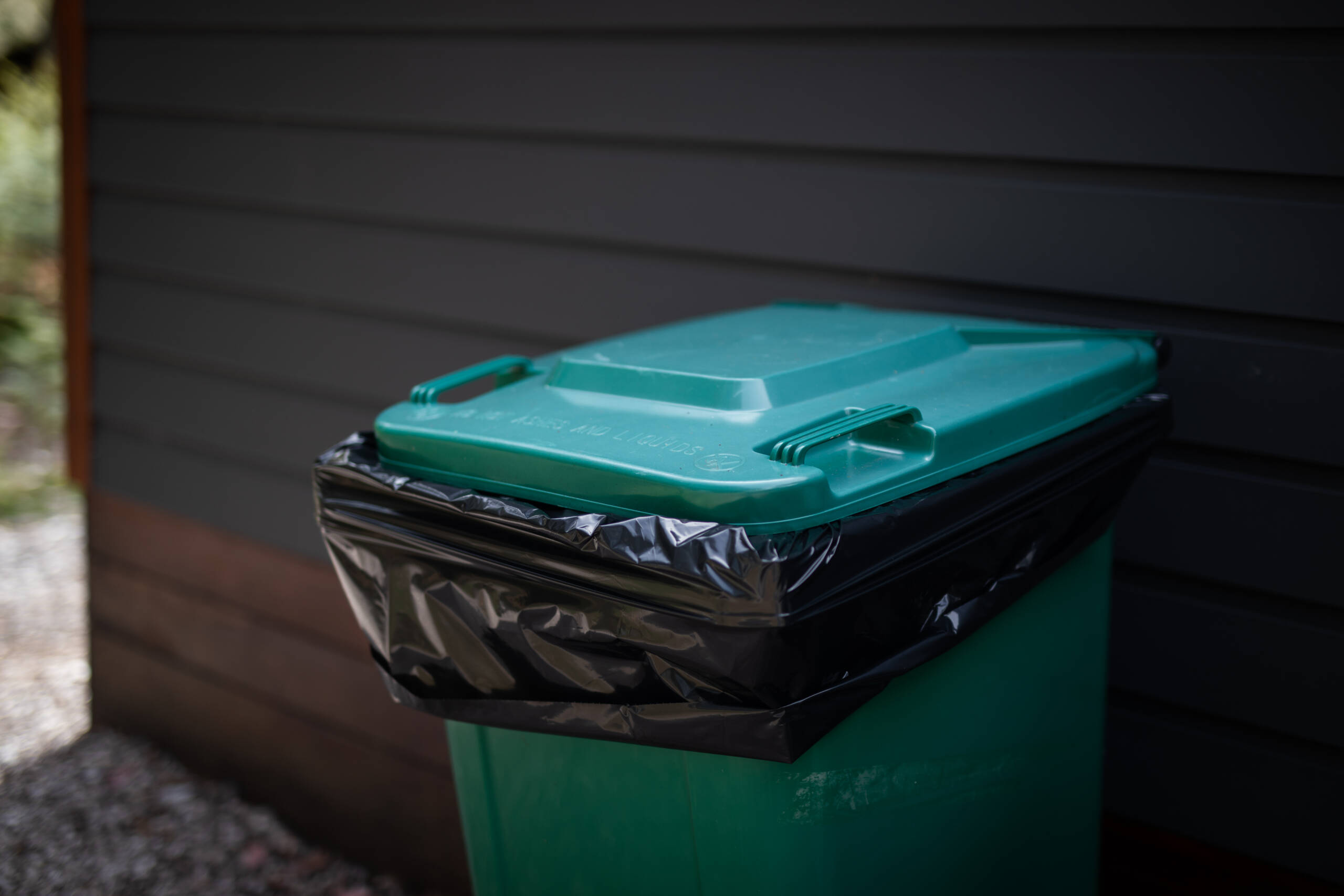
Picture this: you run a busy SME, and there’s a general waste bin in the corner that swallows everything from takeaway cups to scrap paper.
It’s quick, easy and feels efficient — one bin, no fuss.
But what if that convenience is costing your business far more than you realise?
Behind every general waste bin lies a mix of hidden costs — financial, regulatory and environmental.
From rising landfill taxes to compliance penalties, that single bin can quietly eat into your margins and undermine your sustainability efforts.
Let’s unpack where those costs come from, and how to take control of them.
What counts as general waste (and what doesn’t)
In simple terms, general waste is anything that can’t be recycled through your standard recycling streams. For most workplaces, that includes:
- Non-recyclable plastics such as crisp packets, cling film and sweet wrappers.
- Contaminated packaging — for instance, greasy pizza boxes, takeaway trays or food-soiled paper.
- Disposable items like tissues, napkins, wipes and other hygiene waste.
It’s meant to be the last resort bin — the home for true residual rubbish. Yet many SMEs use it as the first stop for everything. Convenience and confusion lead to recyclable paper, bottles and food scraps ending up in the wrong place. The result? Higher bills, lost value and increased environmental impact.
Why your general waste bin costs more than you think
On the surface, one big bin seems cheaper and simpler. But the truth is the opposite. Here’s where the hidden costs creep in.
1. Higher disposal fees
Disposing of general waste is expensive — and getting pricier every year. The UK’s landfill tax rose to £126 per tonne in 2025, a charge that ultimately lands on your waste bill. The more general waste you send, the more you pay. These costs are typically built into your waste collection contract, which means your provider passes them straight on to you.
Recyclables, on the other hand, often come with lower handling fees or even rebates. Cardboard, metals and plastics can be reprocessed cheaply — and in some cases, waste contractors pay small returns for clean, separated materials. Every recyclable item that lands in your general bin is literally money thrown away.
2. Contamination charges
Mixing waste streams — even accidentally — can get expensive. If your recycling bins contain non-recyclables or your general waste contains items that should be separated, your provider may charge contamination fees. These charges cover the extra cost of re-sorting or disposing of the entire batch as landfill waste.
It doesn’t take much. A half-empty drink bottle or a coffee cup with leftover milk can ruin a bag of otherwise clean recyclables. Not only do you lose the recycling value, but you also pay premium disposal rates for what could have been a cheaper collection. Repeat contamination can even lead to fines or contract warnings under Simpler Recycling regulations.
3. Missed recycling savings
Every piece of cardboard, metal or clean plastic that ends up in general waste is a missed opportunity. Many waste management firms offer lower rates for high-quality recyclables because they can sell these materials back into manufacturing supply chains. If you’re throwing them away, you’re missing those cost offsets.
Reducing your general waste also lets you resize or reduce your waste collections. For example, switching from a 1,100-litre general bin emptied twice a week to a smaller bin collected once weekly can immediately trim monthly costs. You’ll save on service fees, collection frequency and landfill taxes — all without reducing operational efficiency.
4. Reputational and compliance risk
Your waste management practices say a lot about your brand. Customers, suppliers and even potential hires increasingly expect businesses to show environmental responsibility. Heavy reliance on general waste can make your organisation appear outdated or indifferent to sustainability — a risky image in today’s market.
Beyond image, there’s the legal side. Since the introduction of Simpler Recycling in March 2025, all medium and large businesses must separate recyclables by law. Failure to comply could mean enforcement action, particularly if audits reveal recyclable materials being treated as general waste. Demonstrating strong recycling systems helps you stay ahead of regulations and builds trust with partners and regulators alike.
The new rules: why “just bin it” no longer works
The Government’s Simpler Recycling rules, introduced in March 2025, aim to make recycling consistent across England and to push national recycling rates beyond the current 43.4% toward a 65% target by 2035.
If your business has 10 or more full-time equivalent (FTE) employees, you are legally required to separate recyclable materials, including:
- Paper and cardboard (clean and dry)
- Plastics, metals and glass (usually collected together as dry mixed recycling)
- Food waste, which must be collected separately
Only items that genuinely cannot be recycled should go in the general waste bin. Smaller businesses (with fewer than 10 FTEs) have until March 2027 to comply, but early adopters are already seeing cost and compliance benefits.
The business benefits of cutting general waste
Reducing what goes in your general waste bin isn’t just about compliance — it’s about building a leaner, greener business. Here’s how your organisation benefits.
Stay compliant and confident
Following the Simpler Recycling framework protects your business from penalties and improves audit readiness. Each compliant collection generates a digital record, providing proof that your waste is being managed responsibly. That documentation can be vital during inspections or tenders where environmental standards are scrutinised.
Lower your waste bills
A well-structured recycling system directly lowers disposal costs. Businesses that successfully divert recyclables often reduce general waste volumes by up to 50% within months. Fewer general waste pickups mean lower service fees, and separating materials makes it easier to negotiate better rates with your waste contractor.
Boost your reputation and relationships
Sustainability is now a key differentiator. Showing that your company recycles properly enhances your brand image, strengthens stakeholder confidence and can even help secure contracts with sustainability-minded clients. Internally, teams take pride in working for a business that aligns with their values — small changes in waste habits can improve morale and engagement.
Make a measurable environmental impact
The benefits go beyond the balance sheet. Recycling metals uses up to 95% less energy than extracting new resources. Paper recycling prevents deforestation and conserves water. Separating food waste allows it to be converted into renewable energy and fertiliser, closing the loop in the circular economy. Every kilogram diverted from landfill reduces emissions and supports the UK’s climate goals.
Practical ways to cut your general waste
Ready to slim down your general bin and simplify your recycling? Here’s how to make meaningful progress.
1. Review your waste
Start with a waste audit — a quick look at what’s really in your bins. You may be shocked by how much recyclable material hides in general waste. Identify which types of waste dominate (e.g. packaging, paper, food) and target those first. Many waste providers offer free or low-cost audits to guide improvements.
2. Set up the right bins in the right places
Most SMEs need only three bins: dry mixed recycling, food waste and general waste. Place them where waste is generated — near desks, kitchens, meeting rooms and workshops. Use clear labels, colour codes and visual guides. The easier it is for staff to separate materials correctly, the lower your contamination and costs.
3. Train and engage your team
Even the best recycling setup fails without staff buy-in. Run a short training session or send a quick explainer email outlining what goes where and why it matters. Encourage questions and make recycling part of your workplace culture. A five-minute refresher every quarter keeps habits consistent. You can even nominate a “recycling champion” to check bins and offer reminders.
4. Track your results and share progress
Monitor how your waste changes over time. Are the general bins filling more slowly? Are recyclables increasing? Many SMEs see clear results within weeks. Share updates with your team — a simple message like “We cut landfill waste by 40% this month!” motivates everyone to keep going. Over time, track savings in disposal costs and environmental impact for your sustainability reports.
5. Handle specialist waste responsibly
Hazardous or electrical waste should never go in your general bin. Batteries, vapes, IT equipment and old appliances fall under WEEE (Waste Electrical and Electronic Equipment) regulations. Partnering with certified providers like SimplerWEEE ensures these items are recycled safely, giving you digital proof of responsible disposal.
Rethinking the “one-bin” mindset
The general waste bin might seem like the easiest option — but in today’s environment of higher costs and stricter rules, it’s also the costliest mistake. By separating recyclables, training your team and tracking results, you can transform waste management from a sunk cost into a business advantage.
The takeaway
- Reduce disposal costs and contamination risks.
- Strengthen your sustainability credentials and compliance.
- Boost morale and demonstrate leadership in environmental responsibility.
Start today. Review your bins, refresh your signage and get your team on board.
And when it comes to electronics and specialist waste, SimplerWEEE can help you stay compliant and sustainable — turning waste management into an opportunity, not a burden.